The Golden Era of 50-Over Cricket
There was a time, not so long ago, when a 5-match bilateral ODI series was the absolute highlight of the winter calendar. You would rush home from school, drop your heavy bag, switch on the television, and watch Sachin Tendulkar and Virender Sehwag walk out to open the innings in colored clothing.
The pacing of the game felt perfect. The first 15 overs were a battle against the swinging white ball. The middle overs were a tactical chess match of rotating the strike against spinners. The final 10 overs were an explosive display of slog-sweeps and yorkers. A score of 260 was considered highly competitive, and defending it required immense skill and strategy.
Today, 260 runs are regularly chased down in 18 overs in the Indian Premier League (IPL). And the 50-over format, once the undisputed cash cow of international cricket, is quietly suffocating in the corner, ignored by broadcasters, abandoned by players, and increasingly skipped by fans.
The Middle-Over Void: 2 Hours of Nothing
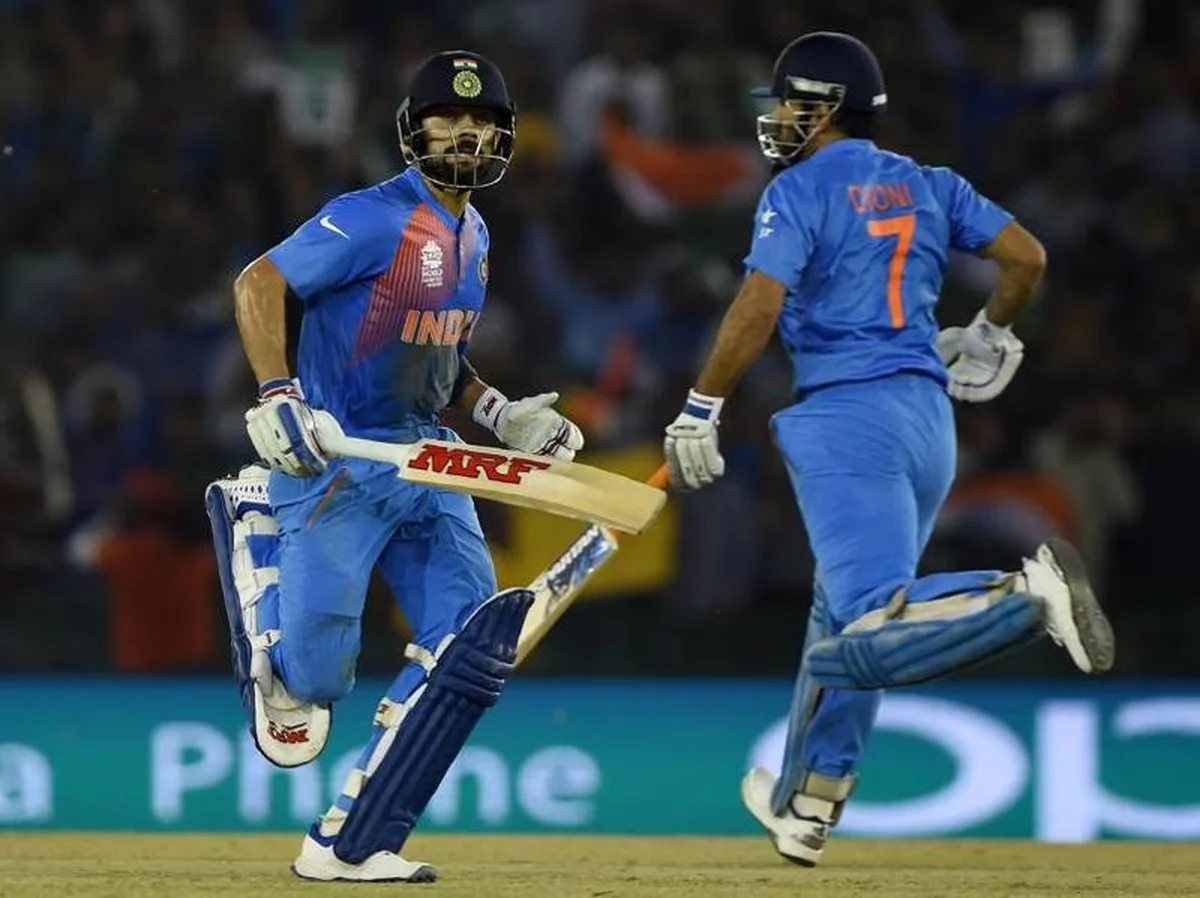
The biggest, most glaring problem with modern ODI cricket is the "middle overs." Between over 15 and 40, the game basically goes to sleep.
With fielding restrictions relaxed (allowing four fielders outside the 30-yard circle), the fielding captain pushes men back to the boundaries. The batters, knowing they have 25 overs to survive before launching an attack at the death, take zero risks. They simply tap the ball into the gaps for singles.
In the past, this was viewed as a battle of skill. But our modern attention spans have fundamentally shrunk. T20 cricket has aggressively trained our brains to expect a boundary, a six, or a spectacular wicket every five or six balls. Watching two batters push singles down to long-on for two unbroken hours feels like an eternity. It is the cricketing equivalent of watching paint dry.
The T20 Explosion and Attention Spans
Test cricket survives because it offers unparalleled drama, deep narrative arcs, and a severe psychological testing of character. T20 cricket survives (and dominates) because it is pure entertainment, adrenaline, and fits perfectly into a 3-hour prime-time television slot.
ODI cricket is caught in a painful no man's land. It takes 8 hours to complete, which is too long for pure entertainment, but it lacks the pitch deterioration, day-by-day storylines, and ultimate test of technique that defines Test cricket. It is trying to be two things at once and failing at both.
The Rule That Killed Reverse Swing
While T20 cricket stole the audience, the International Cricket Council (ICC) inadvertently damaged the format themselves with a disastrous rule change: The Two New Balls Rule.
To make the game "more exciting" and easier to see under floodlights, the ICC mandated that two new white balls be used in an ODI, one from each end. This meant that by the end of a 50-over innings, each ball was only 25 overs old.
This completely killed the art of reverse swing. Reverse swing happens when a ball gets old, scuffed, and dry on one side. By replacing the ball so often, fast bowlers lost their most lethal weapon in the death overs. Furthermore, the harder, newer balls stopped gripping on the pitch, making finger spinners nearly obsolete. The result? Flat pitches, flat bowling, and ridiculously high scores of 350+ that feel artificial and boring.
The Franchise Factor: Players Walking Away

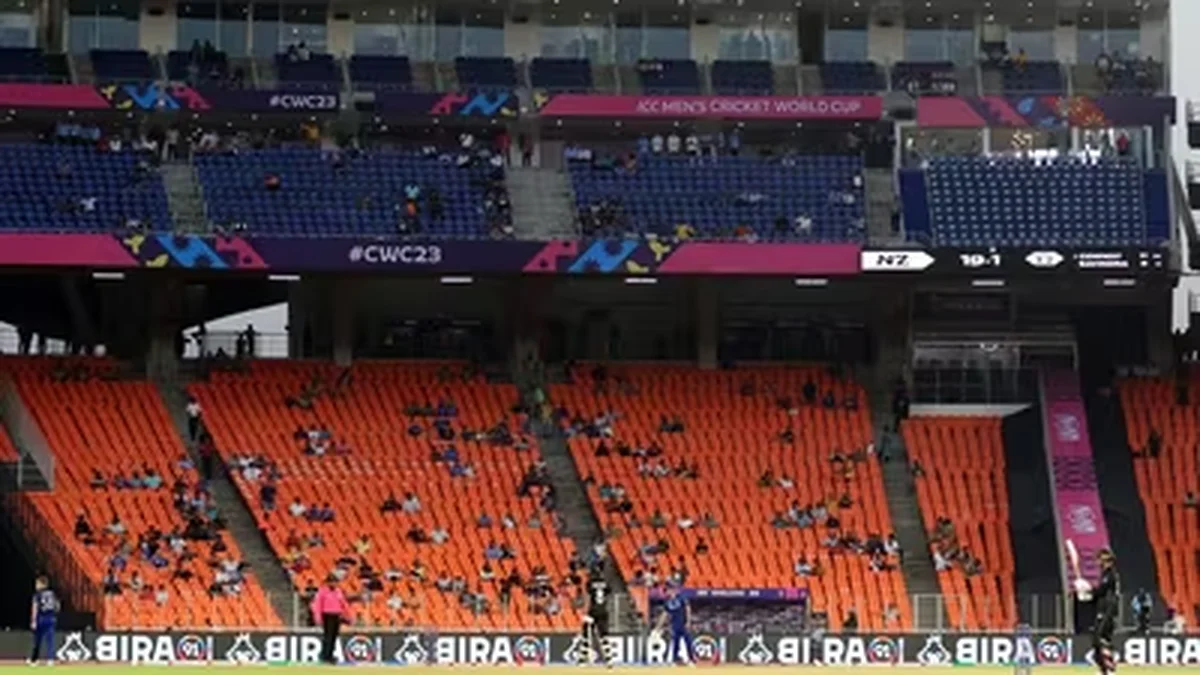
It's not just the fans tuning out; the players are walking away too. Why would a fast bowler put his body through the immense strain of bowling 10 overs and fielding for 50 overs in an empty stadium during a meaningless bilateral series between Sri Lanka and West Indies?
Instead, that same fast bowler can fly to Dubai, South Africa, or India, bowl just 4 overs in a packed, electric stadium for a franchise league, and earn ten times the money with a fraction of the physical wear and tear on his knees and back. The economics simply do not support 50-over bilateral cricket anymore. When players like Ben Stokes temporarily retired from ODIs citing an "unsustainable schedule," it was a massive red flag that the format was breaking players physically.
Is the World Cup Enough to Save It?
There is exactly one thing keeping the 50-over format on life support: The ICC Men's Cricket World Cup.
Once every four years, the entire cricketing globe collectively pretends to care deeply about ODIs. The history, the prestige, and the legacy of the 50-over World Cup (from Kapil Dev in 1983 to MS Dhoni in 2011) is too massive to abandon. Winning a T20 World Cup is great, but winning the 50-over World Cup still remains the ultimate crown in white-ball cricket.
But a format cannot survive on a tournament that happens once every 48 months. The writing is already on the wall. Bilateral ODI series are shrinking from 5 matches down to 3. Many cricket boards are scheduling them purely out of contractual obligations with broadcasters rather than genuine sporting interest.
Soon, bilateral ODIs might disappear entirely, leaving behind a 40-year legacy of colored clothing, white balls, and nostalgic memories of a slower, simpler era when 260 was a massive total and the middle overs actually mattered.
Frequently Asked Questions
Is ODI cricket completely ending?
ODI cricket isn't officially ending anytime soon because the 50-over ICC World Cup remains the most prestigious and lucrative tournament in the sport. However, bilateral ODI series (e.g., a random 3-match series between India and West Indies) are drastically declining in frequency, scheduling priority, and viewership.
Why are the middle overs of an ODI considered boring?
Between overs 15 and 40, fielding restrictions are relaxed (up to 4 fielders outside the circle). Consequently, batters take fewer risks, focusing on pushing singles and rotating the strike. This results in a 2-hour period with very few boundaries or wickets, which modern audiences find tedious compared to the constant action of T20s.
What is the "two new balls" rule and how did it hurt ODIs?
The ICC introduced a rule where two new balls are used from either end of the pitch. Because a ball is now only used for 25 overs instead of 50, it never gets old, scuffed, or soft enough to reverse swing. This effectively killed the art of reverse swing and made it harder for spinners to grip the ball, skewing the game heavily in favor of batters.
Are players retiring from ODIs early?
Yes. Players like Ben Stokes and Quinton de Kock retired from ODIs early to manage their physical workload, preferring to focus on T20 franchise leagues and Test matches. The physical demand of fielding for 50 overs is considered too taxing when lucrative, shorter T20 alternatives exist.
How is T20 cricket affecting ODI scores?
T20 cricket has dramatically increased scoring rates in ODIs. A score of 260 used to be match-winning in the 1990s. Today, because batters are used to taking extreme risks and playing 360-degree shots in T20s, scores of 350+ are common, completely changing the tactical nature of the 50-over game.
What are the proposed solutions to save ODI cricket?
Experts have proposed several solutions: returning to a single ball to bring back reverse swing, splitting the 50 overs into four innings of 25 overs each (like a two-day game), or simply reducing the format to 40 overs per side to eliminate the boring middle phases.