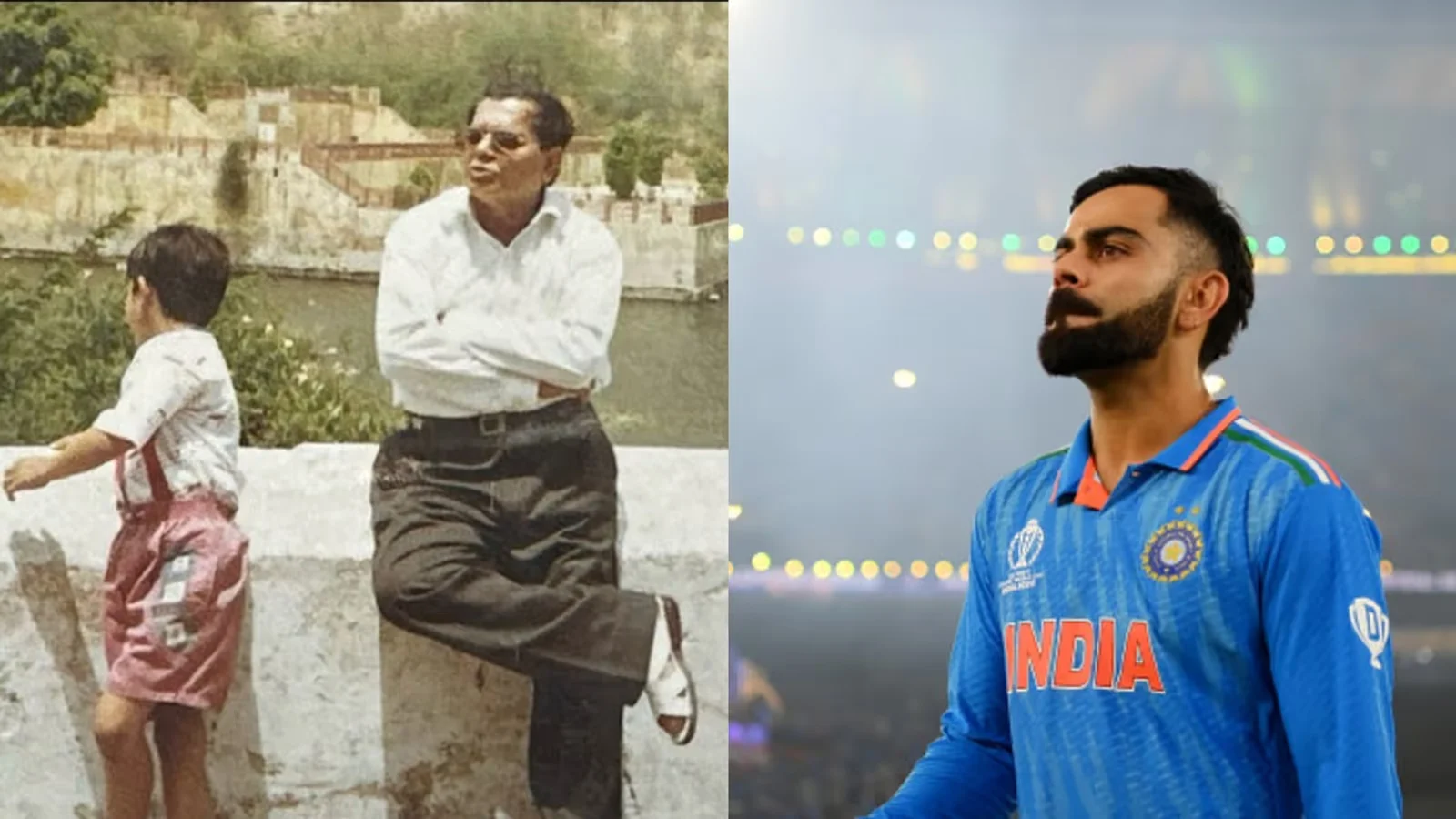
It was December 18, 2006. Delhi had that quiet winter cold. Not the biting kind, just enough to make you want to pull the blanket up one more time. Virat Kohli was 18 years old, in the middle of a Ranji Trophy match for Delhi against Karnataka at Feroz Shah Kotla. Back home, his father Prem Kohli hadn't been well. A brain stroke had been slowly taking its toll, and the family knew things were serious. But Virat was playing cricket. That's what he did. That's what his father always pushed him to do.
At 3 in the morning, Prem Kohli passed away.
The family called Virat with the news. He had a cricket match waiting for him in a few hours.
What happened next is the part most people don't know, or quietly skip when they tell the Virat Kohli story.
He Showed Up Anyway
The next morning, Virat Kohli was at the ground.
He'd barely slept. His father had died just hours before, and his family was deep in grief. But Virat walked out to bat.
Delhi needed runs. And Kohli, in those same whites, with that same bat, scored 90.
Ninety runs. After the night he'd just lived through.
When the innings ended, he left the ground quietly. Went home. Attended his father's last rites. No press conference, no statement. He just played, the way his father always told him to. And then he went to say goodbye.
Years later, Kohli spoke about this in interviews. His father had always told him never to give up, never to make excuses, and to respect the game above everything. Going to bat that morning wasn't some heroic decision he thought through carefully. It was just deeply, completely who he was, because of who his father was.
"He always wanted to see me play for India," Kohli said once, quietly.
Prem Kohli never got to watch his son wear that blue jersey. He was gone before that chapter even started.
The Man Behind the Cricketer
Here's where the story becomes something different.
Prem Kohli was a criminal lawyer in Delhi. No cricketing background. No state-level past. No connections inside Delhi cricket circles. Just a father who saw something in his son and decided to bet on it completely.
When Virat was 9, Prem enrolled him at the West Delhi Cricket Academy. From that day forward, he'd wake up at 4 or 5 in the morning to drive Virat to practice. He'd sit in the stands and wait. Watch the whole session. Drive him back, go to work, and do the exact same thing the next morning.
Anyone who's lived in Delhi knows what 5 AM drives through that city look like. The traffic alone is enough to break you. But Prem did it every single day without complaint, without making Virat feel like it was a sacrifice.
Rajkumar Sharma, who coached Kohli at that academy, has spoken about Prem many times over the years. He wasn't the loud, pushy cricket parent you see at every ground in India. He was quiet. He paid attention. He was just present, always.
"His father sacrificed a lot," Sharma said in one interview. That's probably an understatement.
Most kids who showed up at that academy had supportive families. Not all of them had a father who treated it like a second job without the pay.
The Grief He Carried Into Every Century
When Kohli made his India debut in 2008, his father had been gone for two years. That first jersey, that first match, the first hundred, the first time 80,000 people chanted his name. Prem saw none of it.
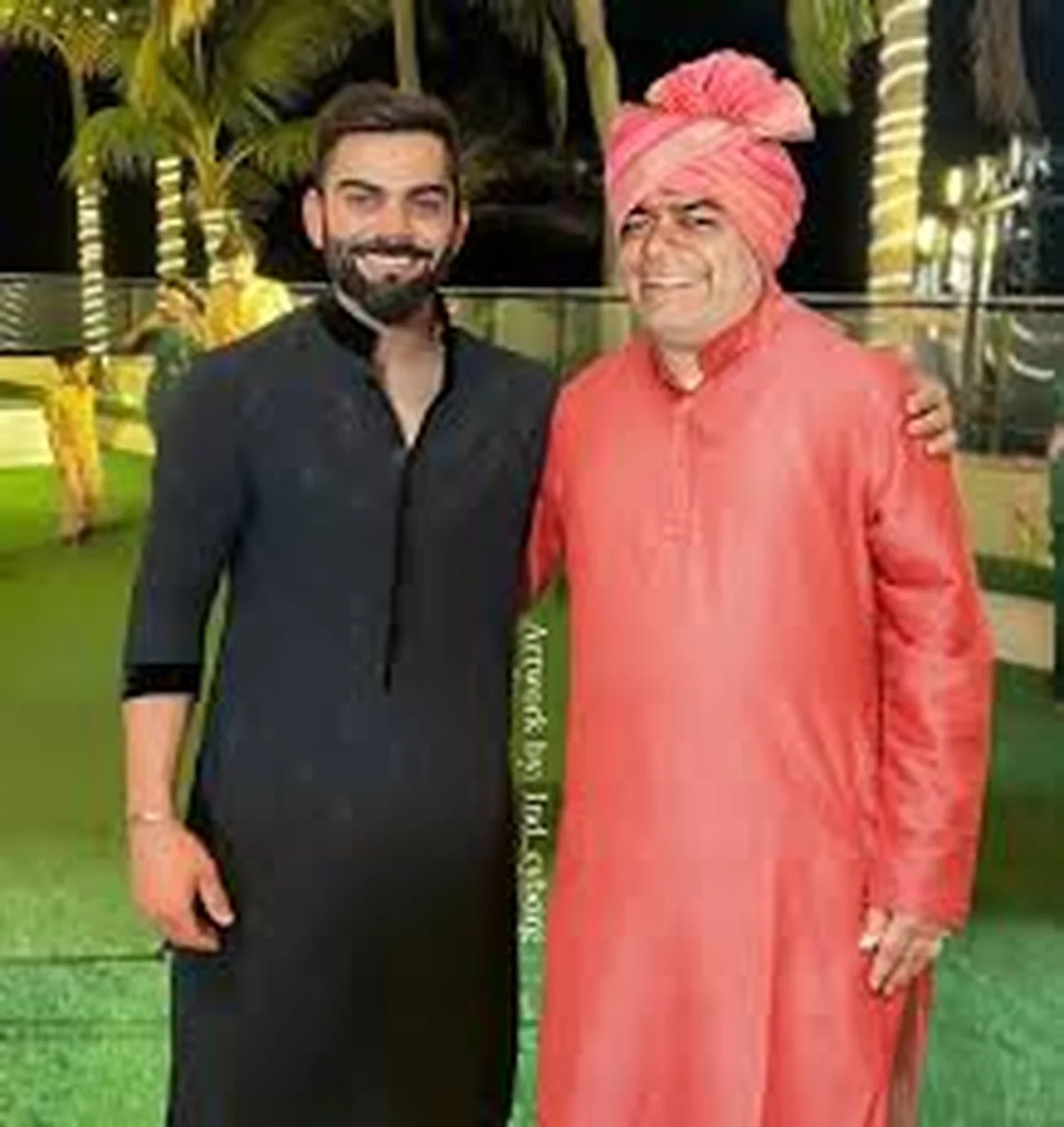
Kohli has talked about this in rare, honest moments over the years. He's said his father is the first person he thinks of when he scores a big hundred. That underneath every celebration, there's always someone missing.
Think about that for a second. Every record the world celebrates, Kohli is carrying a quiet loss inside it. The World Cup wins, the 100 international centuries, the unreal IPL seasons. There's always an empty seat somewhere in the picture.
And yet he's never weaponized this story. He doesn't lead with it in interviews. Doesn't use it to explain himself or ask for sympathy. You have to dig to find these moments. They surface occasionally in long conversations and then he moves on. That emotional control, the same control that made him show up to bat the morning his father died, is probably the thing about Kohli that gets the least attention.
What This Story Actually Says
There are thousands of articles written about Virat Kohli. His fitness, his cover drive, his aggression, his records across formats. All of it is real. All of it is worth reading about.
But if you want to understand what this man is actually made of, you have to sit with December 18, 2006.
An 18-year-old who'd just lost his father in the middle of the night. Who had every reason to step away from a cricket match that meant nothing in the larger story of his life. He chose to show up. He chose to bat. He chose to honor the man who'd driven him to morning practice for years without asking for anything in return.
The 90 runs he scored that day won't appear in any highlight package. Nobody mentions that knock when they list his greatest innings. But in many ways, it might be the most important thing he ever did on a cricket field.
Not because of the runs. Because of what it cost him to walk to that crease.
Cricket has never been short on talent. Plenty of players have the gift. What separates the ones who become genuinely legendary from the rest is almost always something that doesn't show up on a scorecard.
It's the thing that makes you show up on the worst morning of your life and still do the job.
Virat Kohli learned that from his father. And then, in the hours after losing him, he proved it.
That's the real story. Not the records. Not the centuries. Not the aggression everyone loves to talk about. Just a son, a bat, and a promise kept on the worst morning of his life.
📷 Image Credits: Images via BCCI/ICC
Frequently Asked Questions
When did Virat Kohli's father Prem Kohli pass away?
Prem Kohli passed away on December 18, 2006, following a brain stroke. He died in the early hours of the morning while Virat was playing a Ranji Trophy match for Delhi.